
Nail fungus rarely appears overnight. It usually starts as a small discoloration and slowly worsens over time. Because of this slow progression, many people prefer natural remedies first, especially when the infection is mild or in its early stage.
Natural remedies can help, but they work in different ways. Some support the nail surface, while others help deeper layers of the nail.
Below are 8 natural remedies commonly used for nail fungus, including one option that goes beyond surface level care.
1. Apple Cider Vinegar
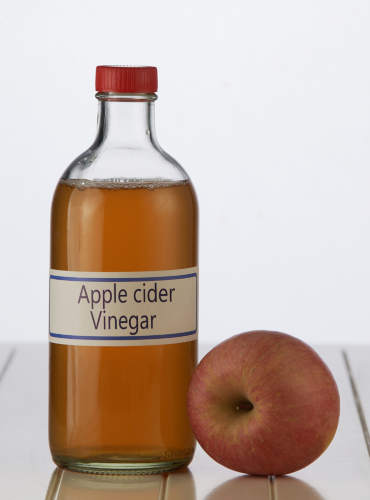
Apple cider vinegar is commonly used because its acidic nature can make the nail environment less friendly for fungal growth. It works best when the infection is mild and newly developed.
How to use:
Dilute apple cider vinegar with equal parts water and apply it to the affected nail using a cotton pad or a short soak. Always dry the nail completely afterward.
2. MetaNail Complex
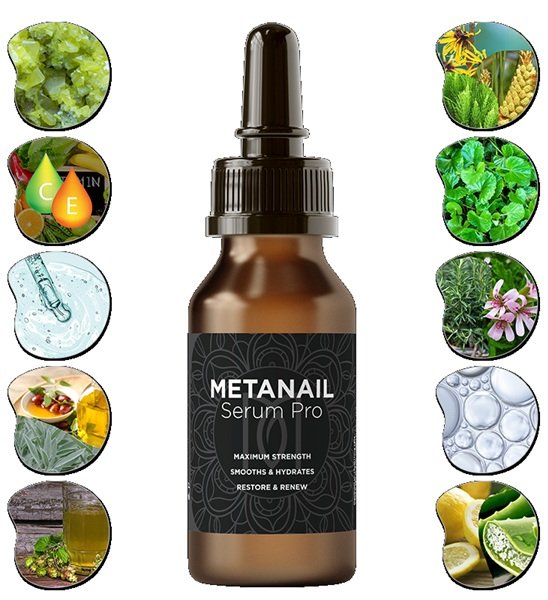
MetaNail Complex Serum fits into the natural category because it is plant based and focused on supporting nail health rather than aggressively treating symptoms. Unlike many home remedies that sit only on the surface, MetaNail is designed to absorb into the nail and support the nail bed where fungus tends to settle.
Its blend of witch hazel, gotu kola, green tea, aloe vera, and antioxidant vitamins helps hydrate, calm, and strengthen the nail as it grows. This makes it useful when basic remedies feel slow or inconsistent.
How to use:
Apply a small amount to clean, dry nails once daily and allow it to absorb naturally.
BUY HERE: MetaNail’s Official Website
3. Coconut Oil
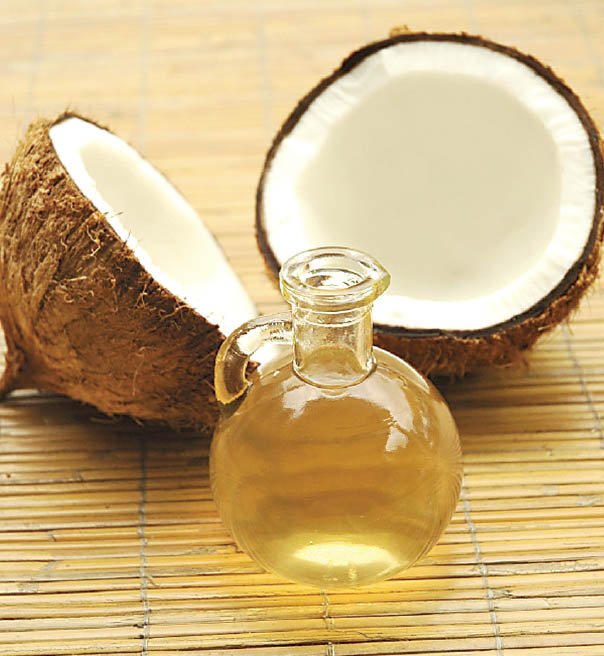
Coconut oil is gentle and moisturizing. It helps reduce dryness and cracking around the nail, which can otherwise allow fungus to persist.
How to use:
Massage a small amount of coconut oil into the nail and surrounding skin once or twice daily.
4. Garlic
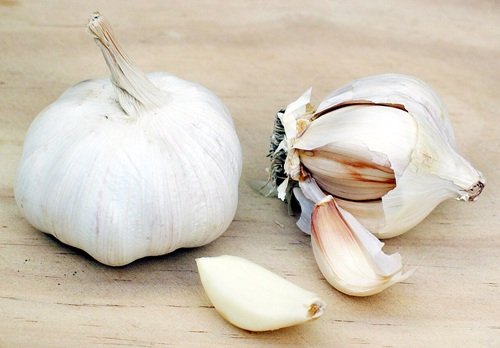
Garlic contains natural antifungal compounds that may help slow fungal activity in mild cases. Some people use it topically, while others prefer dietary intake.
How to use:
Crush fresh garlic and apply lightly to the nail for a short period, then rinse and dry well. Stop if irritation occurs.
5. Baking Soda
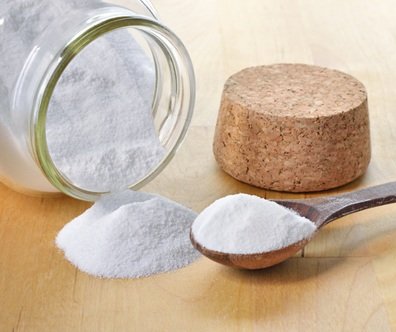
Baking soda helps manage moisture and odor. By keeping the nail area dry, it creates conditions that are less favorable for fungal growth.
How to use:
Apply a small amount of baking soda to the nail area or sprinkle it inside shoes to reduce moisture buildup.
6. Hydrogen Peroxide
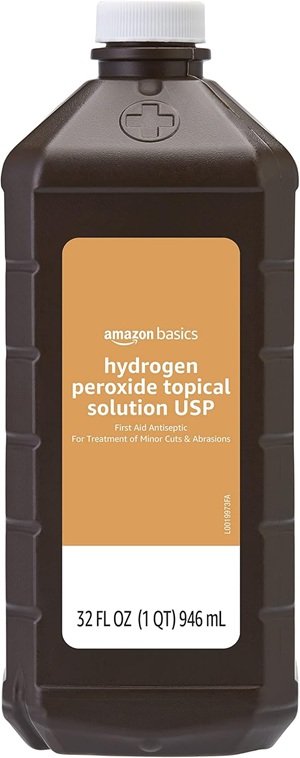
Hydrogen peroxide is often used to clean and disinfect the nail surface. It helps remove buildup and keeps the area cleaner, though it mainly works on the surface.
How to use:
Dilute hydrogen peroxide with water and gently apply to the nail. Rinse and dry thoroughly afterward.
7. Essential Oils

Certain essential oils such as oregano, thyme, lavender, and eucalyptus are known for antifungal properties. When diluted properly, they can support mild fungal infections.
How to use:
Dilute a few drops of essential oil in a carrier oil and apply to the nail once daily.
RELATED: 8 Best Essential Oils for Treating Toenail Fungus (with Amazon Buy Links)
8. Mentholated Ointment (such as Vicks)
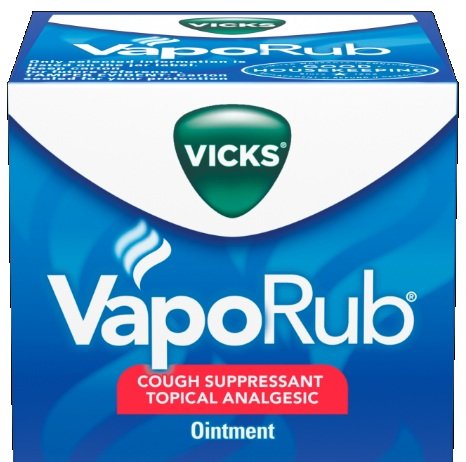
Mentholated ointments contain ingredients like menthol, camphor, and eucalyptus oil, which can help inhibit fungal growth and soften thickened nails over time. Many people use this as a gentle, natural option for mild to moderate infections.
How to use:
Apply a thin layer to the affected nail once daily, preferably at night, and allow it to sit undisturbed.
A Natural Approach That Makes Sense
Natural remedies can be effective when nail fungus is mild or just beginning. However, surface level solutions often take a long time to show progress if the infection has been present for a while. That is why a deeper supporting option like MetaNail can be helpful even within a natural approach.
Healing nail fungus naturally is not about using many remedies at once. It is about choosing the right ones and staying consistent so healthier nail growth can gradually return.