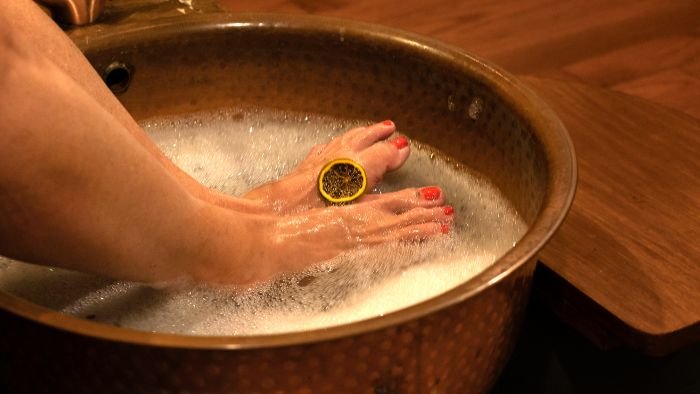
Toenail fungus can be one of those slow, frustrating problems that take months to go away if ignored. It usually begins with a small yellow or white spot under the nail, but as the infection spreads, the nail can become thick, brittle, and even painful to trim.
If you’ve caught it early, hydrogen peroxide can help. It’s one of the most accessible and affordable home remedies for killing fungus-causing microbes. When used correctly, it can make your nails look cleaner and healthier within a few weeks.
Here’s how it works and how to use it safely for best results.
Why Hydrogen Peroxide Works for Nail Fungus
Hydrogen peroxide is a mild antiseptic with oxidizing properties. When it comes in contact with the nail, it releases oxygen, this reaction helps break down fungal cell walls and disinfect the area.
It doesn’t just target fungus on the surface but also helps loosen debris, reduce discoloration, and create a less favorable environment for fungal growth. Still, its strength depends on how consistently you use it and how advanced the infection is.
How to Prepare the Hydrogen Peroxide Soak
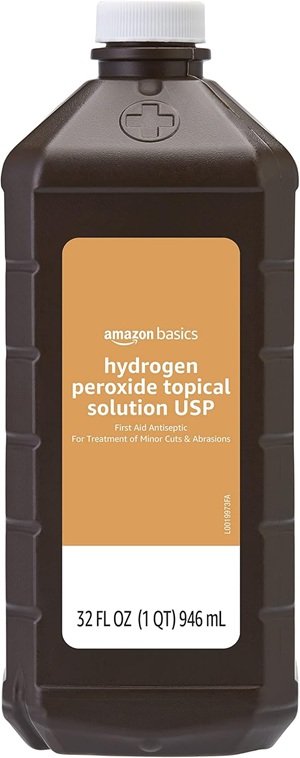
Before you start, always use a 3% hydrogen peroxide solution, this is the standard concentration available in pharmacies and is safe when diluted.
There many options of 3% Hydrogen Peroxide products available on Amazon. Even Amazon Basic is selling 3% solution. You can buy using this Amazon link.
Here’s how to prepare it:
-
Dilute properly:
Mix 1 part hydrogen peroxide with 3 parts warm water in a clean basin. This dilution helps reduce the risk of irritation while keeping it strong enough to combat the fungus. -
Soak your feet:
Make sure the solution is deep enough to cover your toenails. Soak your feet for 15–20 minutes, allowing the peroxide to reach under the nail and disinfect the area. -
Dry completely:
Gently pat your feet dry with a clean towel, paying attention to the spaces between your toes. Fungus thrives in moisture, so it’s important to keep your feet completely dry afterward. -
Repeat daily:
Do this once a day until you start noticing improvement. For mild infections, it can take 1–2 weeks to see visible changes. -
Moisturize afterward:
Hydrogen peroxide can dry out the skin, so apply a thin layer of coconut oil or a light foot cream to prevent cracking or dryness.
Safety Tips and Things to Keep in Mind
- Always dilute hydrogen peroxide before soaking your feet. Using it directly can cause burning or irritation.
- Avoid this treatment if you have open cuts or wounds, as peroxide can sting and delay healing.
- Stick to 3% concentration only, anything higher may damage skin and nails.
- Be consistent. Missing days can allow fungus to regrow.
Hydrogen peroxide works best for mild or early-stage fungal infections. If your nail is already thick, dark yellow, or lifting from the nail bed, this home remedy may not reach deep enough to kill the infection completely.
When Hydrogen Peroxide Doesn’t Work
If you’ve been using hydrogen peroxide regularly for a few weeks and your nails still look the same, thick, discolored, or crumbly, the fungus has likely spread deeper under the nail surface. That’s when stronger support is needed.
A proven natural option many people use is MetaNail Complex – a plant-based serum formulated with Witch Hazel, Gotu Kola, Green Tea, Aloe Vera, and Vitamins C & E. Unlike simple surface soaks, MetaNail penetrates the nail bed to target fungus at its source while nourishing and strengthening new nail growth.
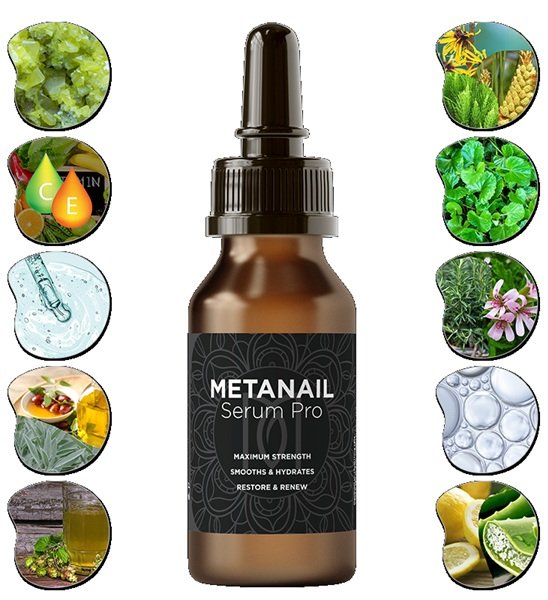
It’s non-GMO, made in an FDA-registered facility, and backed by a 60-day money-back guarantee.
If mild home treatments haven’t worked, MetaNail offers a natural yet more powerful alternative to restore clear, healthy nails from within.
You can buy the product from the official website.
Final Thoughts
Hydrogen peroxide can be a helpful part of your toenail fungus care routine, especially if you catch the infection early. It’s inexpensive, simple to use, and effective against mild fungal growth. But for deeper, long-term infections, it’s worth combining your home care with a proven formula designed to reach where household remedies can’t.
Healthy nails take time, but with the right approach, consistency, cleanliness, and the right treatment, they always grow back stronger.